
The Importance of Professional Electrician Services for Home and Business Safety
Electricity powers nearly every aspect of modern life — from lighting and heating to the appliances and equipment that homes and businesses depend on daily. Yet despite how familiar electricity has become, the systems that deliver it are complex, highly regulated, and potentially dangerous when not handled correctly. Whether in a residential property or a commercial setting, professional electrician services play a fundamental role in ensuring that electrical systems are installed, maintained, and repaired to the standards required for safe and reliable operation.
What Professional Electrician Services Include
Licensed electricians are trained to work across a broad range of electrical systems and situations. Their services extend well beyond simple repairs and cover the full lifecycle of an electrical installation:
- New electrical installations — designing and installing complete electrical systems in new constructions, including wiring, circuit breakers, distribution boards, outlets, switches, and lighting circuits, all in compliance with local electrical codes and standards
- Electrical upgrades and panel replacements — upgrading outdated wiring systems, replacing aging electrical panels, and increasing capacity to meet the demands of modern appliances and equipment
- Fault finding and diagnostic services — using specialized tools and knowledge to identify the source of electrical faults, tripping circuits, flickering lights, or unexplained power losses that may not have an immediately obvious cause
- Outlet and switch installation or replacement — fitting new power points, USB outlets, dimmer switches, and specialty circuits for specific appliances or equipment
- Lighting installation and design — installing a wide range of lighting solutions including recessed lighting, outdoor security lighting, emergency lighting systems, and energy-efficient LED upgrades
- Safety inspection and testing — conducting thorough assessments of existing electrical systems to identify potential hazards, code violations, or components that have deteriorated beyond safe operating condition
- Surge protection installation — fitting whole-home or whole-building surge protection devices to safeguard sensitive electronics and appliances from voltage spikes
- Emergency electrical services — responding to urgent situations such as complete power failures, exposed wiring, burning smells from outlets, or other conditions that pose an immediate safety risk
Each of these services requires formal training, practical experience, and adherence to the relevant electrical codes and safety standards that govern electrical work.
Warning Signs That Electrical Attention May Be Needed
Electrical issues don't always announce themselves obviously. Recognizing early warning signs and responding appropriately can prevent minor faults from developing into hazardous situations:
- Frequently tripping circuit breakers — occasional tripping is normal, but a breaker that trips repeatedly on the same circuit may indicate an overload, a short circuit, or a failing breaker that needs professional assessment
- Flickering or dimming lights — lights that flicker when appliances start up, or that dim intermittently without explanation, can point to loose wiring connections, overloaded circuits, or issues with the electrical panel
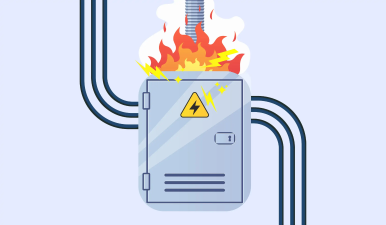
- Burning smells or discoloration around outlets — any smell of burning plastic or visible scorch marks near outlets, switches, or panels is a serious warning sign that should not be ignored
- Outlets or switches that feel warm to the touch — a properly functioning outlet should not generate noticeable heat. Warmth or unusual heat from an outlet or switch often indicates a wiring problem or overloaded circuit
- Buzzing or crackling sounds from outlets or panels — unusual sounds from electrical components can indicate loose connections, arcing, or other faults that carry a risk of fire or equipment damage
- Outlets that have stopped working — a dead outlet may be the result of a tripped GFCI device, a blown fuse, or a wiring fault depending on the situation and the age of the installation
- Sparks when plugging in devices — brief, small sparks can occur occasionally, but large or recurring sparks are indicative of a wiring problem that warrants professional inspection
- Electrical systems that are decades old — older properties may have wiring systems that were installed under outdated standards and are not equipped to safely handle the electrical demands of modern households or businesses
Any of these signs should prompt a professional evaluation rather than a wait-and-see approach, as electrical faults can escalate quickly under the right conditions.
Why Qualified and Licensed Electricians Matter
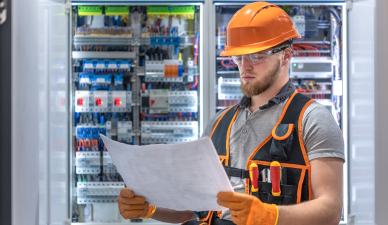
Electrical work is one of the most heavily regulated trades precisely because the consequences of errors can be severe. Attempting to carry out electrical repairs or installations without the appropriate qualifications creates risks that extend beyond the individual doing the work:
- Compliance with electrical codes — licensed electricians are trained in and required to follow the National Electrical Code or the relevant local standards that govern safe electrical installation. Non-compliant work can create hazards and may also create complications with insurance coverage or property transactions
- Accurate fault diagnosis — identifying the true source of an electrical problem requires knowledge and diagnostic equipment that goes beyond general familiarity. An incorrect diagnosis can lead to incomplete repairs and recurring or worsening issues
- Proper materials and methods — professional electricians use components and installation techniques that meet the required safety ratings for each application, rather than general-purpose alternatives that may not be appropriate
- Insurance and liability coverage — licensed electricians carry the appropriate insurance, which protects both the property owner and the electrician in the event of accidental damage occurring during the course of the work
- Permits and inspections — certain electrical work requires permits and subsequent inspection by a local authority. Licensed electricians are familiar with when permits are required and manage this process as part of the job
- Long-term reliability — work carried out to a professional standard is more likely to perform reliably over time, reducing the likelihood of future faults, callbacks, or the need for premature repairs
For both homeowners and business operators, working with a licensed and qualified electrician is the most reliable way to ensure that electrical work is completed safely and to the required standard.
Electrical Considerations for Commercial and Business Settings
The electrical demands of a commercial or business environment differ significantly from those of a typical residence. Higher power consumption, more complex distribution systems, specialized equipment, and stricter regulatory requirements all contribute to a more demanding electrical environment:
- Three-phase power systems — many commercial and industrial operations require three-phase electrical supply to run heavy machinery, HVAC systems, and large equipment efficiently
- Data and communications cabling — modern businesses rely on structured cabling systems for networking, telecommunications, and data infrastructure, which must be installed and maintained alongside standard electrical systems
- Emergency and exit lighting — commercial buildings are required by code to have functioning emergency lighting and illuminated exit signage, which must be regularly tested and maintained
- Electrical safety compliance — businesses have specific obligations regarding the safety of electrical systems in the workplace, including periodic testing and inspection of fixed installations and portable appliances
- Backup power and generator systems — certain business operations require uninterrupted power supply, making the installation and maintenance of backup generators or UPS systems an important part of the electrical infrastructure
- Energy efficiency assessments — commercial electricians can assess existing systems and recommend modifications or upgrades that improve energy efficiency, which contributes to reduced operational costs over time without compromising performance or safety
A Long-Term Perspective on Electrical Safety
Electrical systems, like all building systems, require ongoing attention to remain safe and functional. Regular inspections, timely repairs, and thoughtful upgrades as demands change are all part of responsible property management — whether for a family home or a commercial facility. Understanding the scope of professional electrical services and the importance of working with qualified professionals helps property owners and managers make informed decisions that protect both the people who occupy their buildings and the buildings themselves. A well-maintained electrical system is not just a matter of convenience — it is a fundamental aspect of safety and structural integrity for any property.