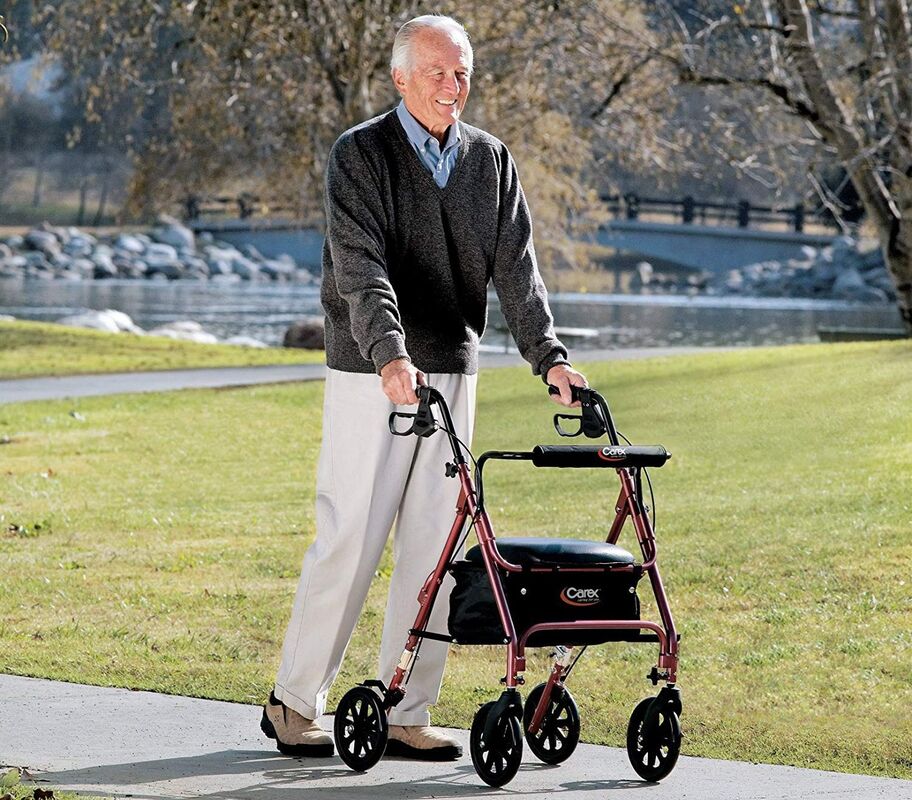
Gone are the days when rollators were just basic frames with wheels—smart rollators are reshaping senior mobility by blending functionality with innovative technology, empowering older adults to move independently, safely, and with confidence. These advanced mobility aids go beyond mere support, integrating features that address common concerns like balance, navigation, and peace of mind for both seniors and their loved ones. Whether running errands, enjoying a walk outdoors, or moving around the home, smart rollators adapt to individual needs, making daily mobility more accessible and enjoyable. For seniors seeking to maintain their independence without compromising safety, these devices are becoming an essential part of daily life.
Smart Rollators vs. Traditional Rollators: What Sets Them Apart?
Traditional rollators offer basic support and mobility, but smart rollators elevate the experience by adding intuitive technology that solves real-world challenges for seniors. The key differences lie in how they prioritize safety, convenience, and connectivity—core aspects that resonate with older adults looking to stay active.
1.Beyond Basic Support: Smart Features That Matter
Proactive safety tools: Unlike traditional rollators, smart models include features like balance assistance, obstacle detection, and fall alerts that respond to potential risks in real time.
Connectivity: Many smart rollators sync with smartphones or tablets, allowing seniors or caregivers to access important data (e.g., activity levels, battery status) or call for help with a simple button press.
Adaptable design: Smart rollators often feature adjustable settings (e.g., speed control, handle height) that cater to individual mobility needs, from gentle walks to more active outings.
2.User-Centric Innovation
Traditional rollators can feel clunky or one-size-fits-all, but smart rollators are designed with senior comfort in mind. Ergonomic handles, lightweight yet sturdy frames, and easy-to-use controls ensure that even those with limited tech experience can navigate the device with ease. This focus on usability means seniors don’t have to sacrifice simplicity for advanced features.
Core Smart Features Reshaping Senior Mobility
Smart rollators pack technology that directly addresses the most pressing mobility concerns for seniors, from fall prevention to staying connected. These features are seamless, not overwhelming, and designed to enhance independence rather than replace it.
1.Safety-First Technologies
Fall detection and alerts: Sensors detect sudden movements or tilts, automatically sending a notification to caregivers or emergency contacts. This provides peace of mind for both seniors and their loved ones, especially during solo outings.
Obstacle avoidance: Cameras or sensors identify potential hazards (e.g., curbs, uneven surfaces) and alert the user with a gentle sound or vibration, helping to prevent trips and falls.
Stability assistance: Some models adjust their center of gravity automatically, providing extra support on slopes or uneven terrain where balance is crucial.
2.Convenience and Connectivity
Navigation assistance: Built-in GPS or simplified directional prompts help seniors find their way during walks or errands, reducing anxiety about getting lost.
One-touch connectivity: Buttons for calling caregivers, emergency services, or even family members eliminate the need to fumble with phones, making help accessible in seconds.
Battery life indicators: Clear, easy-to-read displays show remaining battery power, ensuring seniors never get stranded without a charged device.
3.Health and Activity Tracking
Step and distance monitoring: Gentle reminders to stay active encourage daily movement, while data tracking helps seniors and caregivers monitor overall mobility progress.
Posture support alerts: Some models gently prompt users to adjust their posture, reducing strain on the back and shoulders during extended use.
How Smart Rollators Enhance Senior Quality of Life
The impact of smart rollators extends far beyond physical mobility—they foster emotional well-being by boosting confidence, reducing isolation, and empowering seniors to engage fully in life.
1.Restoring Independence
Many seniors avoid going out due to fear of falling or getting lost, leading to social isolation. Smart rollators address these fears with safety features and navigation tools, allowing seniors to shop, visit friends, or explore outdoor spaces without relying on others. This independence nurtures a sense of self-worth and autonomy that is vital for mental health.
2.Reducing Caregiver Anxiety
Caregivers often worry about seniors’ safety when they’re alone. Smart rollators’ real-time alerts and activity tracking provide transparency, letting caregivers check in without being intrusive. This balance of independence for seniors and peace of mind for caregivers strengthens relationships and reduces stress for both parties.
3.Encouraging Social Engagement and Activity
With the confidence of knowing they have safety net, seniors are more likely to participate in social activities, exercise, and community events. Regular movement not only supports physical health but also combats loneliness, a common issue among older adults. Smart rollators make it easier to stay active and connected, contributing to a more vibrant, fulfilling lifestyle.
Key Considerations When Choosing a Smart Rollator
Not all smart rollators are created equal—finding the right one requires focusing on usability, comfort, and features that align with individual needs. Here’s what to prioritize:
1.Ease of Use
Look for devices with simple, intuitive controls (large buttons, clear displays) that don’t require advanced tech skills. Avoid overly complicated features that may frustrate or confuse seniors.
2.Comfort and Fit
Ergonomic handles, adjustable height settings, and a lightweight frame are essential for extended use. The rollator should feel stable but not bulky, making it easy to maneuver in tight spaces (e.g., grocery stores, hallways).
3.Reliable Connectivity and Support
Choose a model with reliable battery life and a user-friendly app (if applicable) that syncs seamlessly with smartphones. Look for brands that offer accessible customer support, in case of questions or technical issues.
4.Safety Feature Alignment
Prioritize features that address specific concerns: fall detection for those worried about balance, navigation tools for seniors who like to explore, or emergency call buttons for those with health conditions.
The Future of Senior Mobility: Smart Rollators Leading the Way
As technology advances, smart rollators continue to evolve, with innovations focused on personalization and seamless integration into seniors’ lives. Future models may include more advanced health monitoring, voice-activated controls, and even integration with home smart devices—all designed to make mobility safer, easier, and more enjoyable.
What remains constant is the core mission: to empower seniors to live independently and with dignity. Smart rollators are not just gadgets—they are tools that bridge the gap between safety and freedom, reshaping senior mobility for the better.
Final Thoughts: Embracing the Smart Mobility Revolution
Smart rollators are more than a trend—they are a transformative solution for senior mobility, combining technology with empathy to address the unique needs of older adults. By prioritizing safety, convenience, and independence, these devices are helping seniors stay active, connected, and in control of their lives.
For seniors ready to reclaim their mobility or caregivers seeking peace of mind, smart rollators offer a practical, empowering choice. As more people discover their benefits, they are quickly becoming an essential part of senior living—proving that technology can enhance, not replace, the joy of independent movement.