
Understanding Water Damage: Prevention, Detection, and Solutions
Water damage doesn't always arrive dramatically. More often, it starts quietly — a slow drip behind the walls, a slightly damp corner in the basement, or a roof that lets in just a little too much moisture after heavy rain. By the time visible signs appear, the damage may already be more extensive than expected. Understanding the basics of water damage — how it starts, how it spreads, and how to respond — can help homeowners make informed decisions before a small issue becomes a serious structural problem.
Early Warning Signs You Shouldn't Ignore
One of the most important skills a homeowner can develop is recognizing the early signs of water damage. Because water often travels through walls, ceilings, and flooring before becoming visible, the source of a problem may be far from where symptoms appear. Common indicators include:
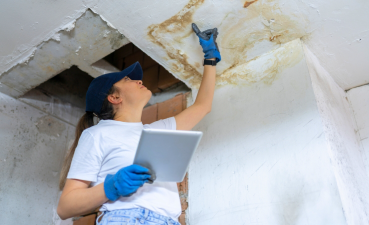
- Stains or discoloration on ceilings and walls — yellowish or brownish patches are often the result of a slow, ongoing leak from above or within the wall cavity
- Peeling, bubbling, or blistering paint — when moisture becomes trapped beneath a painted surface, it causes the paint to lose adhesion and visibly separate
- Musty or earthy odors — a persistent damp smell, especially in enclosed spaces like closets, basements, or bathrooms, frequently signals mold or mildew developing out of sight
- Warped, buckled, or soft flooring — wood and laminate floors absorb moisture over time, leading to visible warping, soft spots, or separation between planks
- Swollen or stained baseboards — baseboards sit close to the floor and are often among the first materials to show signs of moisture exposure
- Unexplained increases in water bills — a sudden or gradual spike in water usage without a clear reason may point to a hidden leak somewhere in the plumbing system
- Visible mold or mildew growth — even small patches on walls, grout lines, window sills, or ceilings should be treated as a warning sign worth investigating further
- Rust stains around fixtures — rust around pipes, valves, or water connections can indicate long-term moisture exposure or slow leaking
These signs are easy to overlook or dismiss, especially when they appear gradually. However, they often indicate an underlying issue that will worsen without attention.
Prevention: Practical Steps Every Homeowner Can Take
Many cases of water damage are preventable through consistent home maintenance and awareness. While not every situation can be anticipated, regular inspections and upkeep significantly reduce risk:
- Inspect your roof annually — look for missing, cracked, or curling shingles, damaged flashing around chimneys and vents, and clogged gutters or downspouts that prevent proper water drainage away from the home
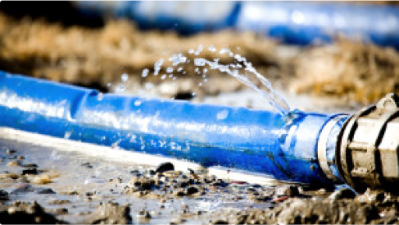
- Check plumbing connections and supply lines regularly — pay particular attention to areas under sinks, behind toilets, and behind major appliances such as washing machines, dishwashers, and refrigerators with water dispensers
- Maintain proper grading around your foundation — soil and landscaping around the base of your home should slope away from the structure so that rainwater drains outward rather than pooling against the foundation
- Test sump pumps seasonally — in basements or crawl spaces prone to moisture accumulation, a properly functioning sump pump is an important safeguard, particularly before periods of heavy rainfall
- Inspect and reseal windows and doors — deteriorating caulk or worn weatherstripping around windows and exterior doors can allow water to seep in gradually during storms
- Clear gutters and downspouts at least twice a year — debris buildup causes water to overflow and pool near the foundation or seep under roofing materials
- Check your water heater periodically — water heaters have a finite lifespan, and corrosion or pressure buildup can lead to leaks or failure, often in areas where damage may go unnoticed for some time
- Know the location of your main water shutoff valve — in the event of a burst pipe or major leak, being able to cut the water supply immediately can make a significant difference in limiting damage
- Monitor your home during and after severe weather — after heavy rain or storms, check the basement, attic, and crawl spaces for signs of intrusion or pooling
Routine maintenance does not eliminate all risk, but it dramatically improves your ability to catch problems early and respond before they escalate.
The Risks of Leaving Water Damage Unaddressed
Water damage that is ignored or goes undetected tends to worsen progressively. What begins as a minor issue can develop into something far more complex:
- Structural deterioration — prolonged moisture exposure breaks down wood framing, subflooring, ceiling joists, and other structural elements, potentially compromising the integrity of the building over time
- Mold and mildew growth — mold can begin developing within 24 to 48 hours of water exposure under the right conditions. Once established, it can spread through walls, insulation, and HVAC systems, making remediation more involved
- Electrical hazards — moisture that reaches wiring, outlets, or electrical panels creates serious safety risks, including the potential for short circuits
- Deterioration of insulation — wet insulation loses its effectiveness and can become a breeding ground for mold, requiring replacement
- Damage to personal belongings — furniture, flooring, documents, and other possessions affected by water damage may be difficult or impossible to fully restore
- Reduced indoor air quality — mold spores, bacteria, and moisture-related pollutants can affect the air quality inside a home, which may be a concern for household members over time
- Impact on property condition — unresolved water damage, particularly when it involves mold or structural issues, can affect a home's overall condition and how it is assessed during inspections
Understanding these potential consequences underscores why early detection and timely response matter so much.
Steps to Take When You Suspect Water Damage
If warning signs appear, a measured and prompt response is important:
- Identify and stop the source if possible — shut off the water supply to the affected area or address the point of entry as a temporary measure
- Document the damage with photographs — before beginning any cleanup, photograph affected areas thoroughly, as this documentation is typically required for insurance claims
- Remove standing water promptly — use mops, absorbent towels, or a wet vacuum to extract water from floors and surfaces as quickly as possible
- Improve ventilation and airflow — open windows where conditions allow, and use fans and dehumidifiers to begin drying out the affected space
- Avoid using electrical systems in affected areas — do not use outlets, switches, or appliances in spaces where water damage is present until the area has been assessed as safe
- Contact your insurance provider — review your homeowner's policy to understand what types of water damage are covered and follow the required steps for filing a claim
- Seek a professional assessment — when structural materials, insulation, or mold are involved, a qualified inspection helps determine the full extent of the damage and what remediation is appropriate
Acting quickly and methodically gives the best chance of limiting both the physical damage and the overall impact on your home.
The Value of Staying Informed
Water damage is one of the more common challenges homeowners encounter, and its effects can range from minor inconvenience to significant repair work depending on how it is handled. Staying informed about the risks, maintaining your home consistently, and responding promptly when issues arise are the most practical ways to protect your property over the long term. A proactive approach — regular inspections, timely repairs, and awareness of early warning signs — remains the most effective strategy for any homeowner.