
Professional Plumbing Services: A Complete Guide to Essential Home Maintenance
A home's plumbing system is one of its most essential components, working quietly in the background every single day. From delivering clean water to removing waste efficiently, a well-maintained plumbing system supports nearly every aspect of daily life. When something goes wrong — whether it's a persistent leak, a blocked drain, or a failing water heater — the impact on a household can be immediate and disruptive. Understanding what professional plumbing services involve and when to rely on them helps homeowners make better decisions about maintaining their property.
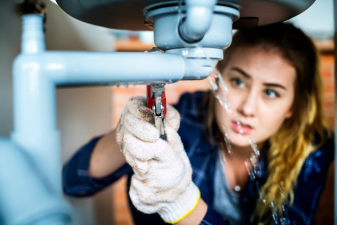
What Professional Plumbing Services Cover
Professional plumbing extends well beyond fixing a dripping faucet. Licensed plumbers are trained to handle a wide range of residential systems and situations, including:
- Leak detection and repair — identifying the source of leaks, whether visible or hidden behind walls and under floors, and carrying out appropriate repairs to prevent further water damage
- Drain cleaning and blockage removal — clearing slow or completely blocked drains in sinks, showers, bathtubs, and toilets using professional-grade tools and methods
- Pipe inspection and replacement — assessing the condition of existing pipework and replacing sections that are corroded, damaged, or no longer functioning reliably
- Water heater services — installation, maintenance, and repair of both traditional tank water heaters and tankless systems to ensure a consistent and safe hot water supply
- Fixture installation — fitting new sinks, faucets, toilets, showers, and bathtubs as part of renovations or replacements
- Sewer line services — inspecting, clearing, and repairing sewer lines that connect the home to the municipal system or septic tank
- Water pressure assessment — diagnosing and correcting issues with water pressure that affect the performance of fixtures and appliances throughout the home
- Emergency plumbing response — addressing urgent situations such as burst pipes, significant leaks, or sewage backups that require immediate professional attention
Each of these services requires specific knowledge, tools, and experience to carry out safely and effectively.
Signs That Professional Attention May Be Needed
Some plumbing issues are straightforward to identify, while others develop gradually and are easy to overlook. Being aware of the following signs can help homeowners seek assistance before a problem becomes more serious:
- Persistent or recurring leaks — a faucet or fixture that continues to drip after basic repairs may indicate a deeper issue with valves, seals, or pipe connections
- Slow-draining sinks or tubs — while minor blockages can sometimes be addressed with basic tools, consistently slow drainage may point to a more significant obstruction further in the system
- Discolored water — brown, yellow, or rust-tinted water coming from taps can signal corrosion within pipes or issues with the water supply line
- Low water pressure throughout the home — if multiple fixtures experience reduced pressure simultaneously, this may indicate a problem with the main supply line or internal pipe condition
- Unusual sounds in the pipes — banging, rattling, or whistling sounds within walls or under floors can result from loose fittings, pressure fluctuations, or air in the lines
- Unpleasant odors near drains or fixtures — sewage smells or persistent foul odors around drains may indicate blockages, venting problems, or issues with the sewer line
- Water stains on walls or ceilings — visible staining or soft spots on surfaces near plumbing fixtures often indicate a hidden leak that has been present for some time
- Unexplained increases in water usage — a noticeable rise in water consumption without a clear reason can point to a leak somewhere within the system
Recognizing these signs early and having them assessed by a qualified plumber can prevent minor issues from developing into more extensive and disruptive repairs.
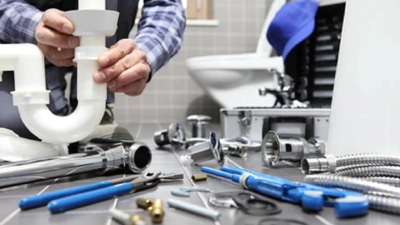
The Importance of Regular Plumbing Maintenance
Like most systems in a home, plumbing benefits significantly from routine maintenance rather than a purely reactive approach. Scheduled inspections and upkeep help identify developing problems before they cause visible damage:
- Annual plumbing inspections — a professional assessment of the overall system can identify early signs of corrosion, wear, or pressure irregularities that might not yet be causing obvious symptoms
- Water heater maintenance — flushing sediment from the tank periodically, checking the pressure relief valve, and inspecting connections extends the life of the unit and maintains efficiency
- Drain maintenance — having drains professionally cleaned on a periodic basis helps prevent the gradual buildup of grease, soap residue, and debris that leads to blockages over time
- Checking exposed pipes in cooler months — in regions that experience cold winters, ensuring that pipes in unheated spaces are properly insulated reduces the risk of freezing and potential bursting
- Inspecting supply lines to appliances — the hoses and connections behind washing machines, dishwashers, and refrigerators have a limited lifespan and should be checked periodically for signs of wear or deterioration
- Testing shut-off valves — verifying that individual fixture shut-off valves and the main water shutoff operate correctly ensures they will function as needed in an emergency
Consistent maintenance not only reduces the likelihood of unexpected failures but also contributes to the overall efficiency and longevity of the plumbing system as a whole.
Why Licensed and Qualified Plumbers Matter
Plumbing work that is carried out incorrectly can lead to consequences that go beyond the original problem. Water damage from a poorly repaired joint, health risks from improper waste line connections, or code violations from non-compliant installations are all potential outcomes of work that doesn't meet professional standards. Licensed plumbers bring several important qualifications to the job:
- Technical training and certification — licensed professionals have completed formal training and meet the standards required by local or state licensing authorities
- Knowledge of building codes — plumbing work must comply with local regulations, and qualified plumbers are familiar with the relevant codes that apply to residential installations and repairs
- Appropriate tools and equipment — professional-grade diagnostic and repair tools allow for more accurate assessments and more reliable outcomes than general-purpose alternatives
- Accountability and insurance — licensed professionals carry insurance that protects both the homeowner and the plumber in the event of accidental damage during the course of work
- Warranty on workmanship — many licensed plumbers provide guarantees on the work they perform, offering homeowners reassurance about the quality and durability of repairs or installations
Choosing a qualified, licensed plumber for plumbing work — whether routine or complex — is a straightforward way to protect both the integrity of the home and the wellbeing of those living in it.
Keeping Your Home's Plumbing in Good Condition
A home's plumbing system, when properly maintained and promptly repaired, operates reliably for many years. The most practical approach any homeowner can take is a combination of regular awareness, routine maintenance, and timely professional involvement when issues arise. Understanding the scope of professional plumbing services and knowing when to call on them are valuable parts of responsible homeownership — helping to preserve the safety, comfort, and condition of your home over the long term.