
Are Lease-to-Own Mini Excavators in 2026 a Smarter Way to Access Equipment in the U.S.?
As construction and landscaping demands continue to evolve, many professionals are rethinking how they access heavy equipment. In 2026, lease-to-own mini excavators are drawing attention across the United States as a flexible alternative to traditional ownership. This article explores how lease-to-own options work, why they are gaining popularity, and what to consider before choosing this path.
Why Mini Excavators Remain in High Demand
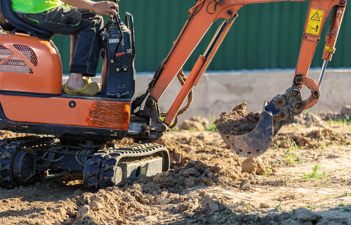
Mini excavators have become essential tools for a wide range of projects, from residential construction to utility work. Their compact size allows them to operate in tight spaces while still offering the power needed for digging, grading, and trenching. As project timelines shorten and job requirements diversify, access to adaptable equipment has become increasingly important.
What Lease-to-Own Means in Practice
Lease-to-own arrangements allow users to operate equipment while making scheduled payments over time, with the option to gain ownership after meeting the agreed terms. Unlike short-term rentals, these agreements are designed for extended use and long-term planning.
How Lease-to-Own Differs From Other Access Models
Traditional purchasing requires a long-term commitment from the start, while rentals focus on temporary needs. Lease-to-own sits between these options, offering flexibility without requiring immediate ownership decisions. This structure can be especially appealing for businesses managing changing workloads.
Why Lease-to-Own Mini Excavators Are Gaining Attention in 2026
In 2026, economic conditions and shifting work patterns have encouraged companies to prioritize adaptability. Lease-to-own models align with this mindset by allowing operators to scale equipment access alongside project demand. This approach supports steady operations without overcommitting resources upfront.
Key Considerations Before Choosing a Lease-to-Own Option
Before entering a lease-to-own agreement, it is important to evaluate operational needs, usage frequency, and long-term goals. Understanding how the equipment will be used over time helps determine whether this approach fits your workflow.
Usage Duration and Project Scope
Mini excavators used regularly across multiple projects may benefit more from lease-to-own structures. For occasional use, other access models may better align with short-term requirements.
Maintenance Responsibilities
Lease-to-own agreements may define how maintenance and upkeep are handled during the lease period. Knowing these responsibilities in advance helps avoid operational interruptions.
Operational Flexibility
One advantage of lease-to-own arrangements is the ability to adapt equipment usage as business needs change. This flexibility can support growing teams or evolving service offerings.
Who Typically Uses Lease-to-Own Mini Excavators
Lease-to-own options appeal to a broad range of users, including independent contractors, small construction firms, and specialized service providers. These groups often value predictable access to equipment without immediate long-term ownership commitments.
Comparing Lease-to-Own With Traditional Ownership
While ownership provides full control from day one, it also requires planning for long-term storage, maintenance, and utilization. Lease-to-own offers a gradual path that allows users to evaluate how well a mini excavator fits their operations before committing fully.
Conclusion
Lease-to-own mini excavators in 2026 represent a flexible approach to equipment access in the United States. By balancing operational needs with long-term planning, this model allows businesses to stay responsive in a changing market. For those seeking adaptability and steady access to essential machinery, lease-to-own arrangements may offer a practical path forward.