
Your Guide to Electric Blankets of 2026: Warmth, Safety, and Comfort
Looking for a reliable way to stay warm this winter while prioritizing safety and comfort? This guide breaks down how 2026 electric blanket models are designed, what key features to prioritize—including the latest smart, health-focused and safety technologies—and how to select, use, and maintain your electric blanket for optimal performance. Use it to compare options, set realistic expectations, and stay safe without replacing professional product guidance.
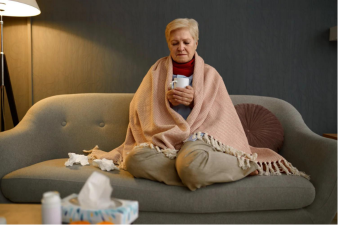
Why These Products Matter
Electric blankets exist to provide targeted, energy-efficient warmth while enhancing sleep comfort during cold months. For 2026 models, this means balancing rapid heating capabilities with upgraded safety protections, and adapting to diverse user needs—from allergy sufferers seeking anti-mite and antibacterial options to couples needing personalized temperature control, and even maternity groups pursuing toxin-free and low-radiation solutions. The core intent is functionality: delivering consistent warmth without compromising safety or sleep quality. Because user needs vary widely (e.g., seniors prioritizing simple operation and stable low heat, travelers needing portable options, young people favoring smart connectivity), 2026 models emphasize adaptability, safety and health benefits over unnecessary gimmicks. Driven by consumption upgrading and global market expansion, the 2026 electric blanket market has evolved into a new stage integrating advanced materials, the Internet of Things and personalized experiences, with strong growth momentum in both domestic and export markets.
Types of Electric Blankets in 2026
When people search for "2026 electric blankets," they often want to know which type best fits their lifestyle. The 2026 market offers four primary categories, each with distinct advantages, driven by technological innovations in materials and intelligence:
- Traditional Heating Wire Blankets: The most affordable option, ideal for basic warmth needs and budget-conscious consumers. Look for 2026 models that comply with the new national standards, featuring double-helix heating wires (single-helix wires are non-compliant) and uniform wiring for consistent heat distribution. Many entry-level models now add basic anti-mite functions and machine-washable designs, improving practicality.
- Graphite/Carbon Fiber Electric Blankets: A mid-range choice with faster heating and lower safety risks, which have become mainstream in 2026. Graphite or carbon fiber's excellent thermal conductivity ensures even warmth, with heat blind spots less than 2%, and the heating speed can reach full warmth in 3-5 minutes. These materials are lightweight and thin, making the blanket more comfortable to use without feeling bulky. The market penetration rate of such products is expected to exceed 30% in 2026.
- Hydronic (Water-Filled) Blankets: Premium options that eliminate dry air and reduce radiation concerns, favored by maternity groups and sensitive skin users. 2026 models often feature dual-temperature control, silent pumps (noise below 22dB), and app integration. Advanced models adopt 5-way water-electricity separation design, high-purity ceramic heating elements and explosion-proof technology, achieving zero radiation and zero toxic substance emission. The top-tier models can reach the maternal and infant special care level standard, with 6-year safety performance anti-attenuation certification.
- Smart IoT Electric Blankets: A fast-growing category targeting young consumers, with market penetration rate expected to exceed 30% in 2026. These models support remote control via mobile apps, enabling pre-heating before returning home. Some high-end models are equipped with millimeter-wave sleep monitoring and AI temperature control algorithms, which can automatically adjust the temperature according to the user's sleep state. They also feature energy-saving modes, with daily power consumption as low as 0.6 kWh.
Key Safety Standards & Must-Have Features (2026)
2026 is a crucial year for the upgrading of electric blanket safety standards. New national standards GB/T 4706.1—2024 and GB/T 4706.8 will be officially implemented on August 1, 2026, imposing stricter requirements on product safety. Safe 2026 models share core features that should be non-negotiable in your selection:
- Safety Certifications: Mandatory 3C certification (China Compulsory Certification) is a must—check for the "CCC" mark on packaging and the blanket itself. For 2026 models, verify compliance with the new GB/T 4706.1—2024 and GB/T 4706.8 standards via the manufacturer's documentation. High-end models may also have international certifications such as EU CE and US FCC, which are more reliable for export.
- Critical Safety Functions: Auto-shutoff (required by national standards), overheat protection, and anti-dry burning mechanisms are basic configurations. 2026 models further enhance safety with dual temperature control protection, 3-fold anti-leakage and flame retardant protection. Hydronic models must have leak-proof designs and enhanced explosion-proof processes. Smart models need secure connectivity to prevent malfunctions caused by network vulnerabilities.
- Wiring & Power Safety: Look for power cords marked with "2X0.5mm²" (cross-sectional area) and "300/300V" (rated voltage), with a minimum length of 1.8 meters to avoid stretching. High-quality models use thickened pure copper core wires to reduce aging and breakage risks. Avoid models with thin, flimsy cords that pose fire risks.
- Comfort & Health Features: Dual-zone temperature control (for couples), adjustable heat settings (25-55℃ is standard). Anti-mite and antibacterial functions are increasingly common, with some models achieving 99% inhibition rate against Escherichia coli and Staphylococcus aureus. Maternity-grade models use 3A infant-grade silica gel materials without toxic substance emission. Silent operation (≤25dB for sleep-friendly use) is also a key consideration.
Who Should Consider Specific Models
Selection should align with your lifestyle, health needs, and usage scenarios:
- Seniors/Children: Prioritize simple controls (large buttons + high-definition display), low-heat stability, and auto-shutoff. Avoid complex smart features; opt for easy-to-clean, durable fabrics and models with clear operation indicators. Models like Hanyesi with fast heating and long-term heat preservation are suitable for areas with unstable power supply.
- Allergy Sufferers/Sensitive Skin Users: Choose models with anti-mite and antibacterial functions (65℃ heating cycle for mite removal) and machine-washable covers (follow manufacturer instructions—never soak heating elements). Yalu's antibacterial electric blanket, which has a 99% bacterial inhibition rate, is a good option. Hydronic blankets are also recommended for their dryness-free use.
- Couples: Dual-zone temperature control models (30℃-60℃ adjustable) eliminate disputes over heat levels. Weizhuang's electric blanket with independent left and right temperature control and breathable cotton and linen fabrics is ideal for long-term use.
- Frequent Travelers/Renters/Students: Compact, foldable models with universal voltage (if traveling internationally) are best. Liren's portable electric blanket, which weighs less than 1.5kg and can be used in multiple scenarios (bed, office, camping), is highly practical. It also has a waterproof and stain-resistant coating for easy cleaning.
- Maternity Groups/Infant Families: Prioritize maternal and infant special care-level models with zero radiation, zero toxic emissions, and multiple safety protections. Gongling's third-generation maternal and infant special care-level hydronic blanket, which meets five times the strict maternal and infant standards, is recommended. It has no safety accidents for ten years and is the designated product of many high-end care centers.
- Young Consumers: Smart IoT electric blankets with app remote control and sleep monitoring functions are preferred. Four Seasons Muge's electric blanket with ergonomic water pipe arrangement and smart control is suitable for young families pursuing a convenient lifestyle.
Pre-Purchase Preparation
Gather information and tools to make an informed choice:
- Assess Your Needs: Document usage scenarios (bedroom/couch/camping), user age, heat preferences, and budget (entry-level: ¥200-600; mid-range: ¥600-1200; premium hydronic: ¥1200+). Smart models with advanced features may cost more than ¥1500.
- Research Brand Reliability: Check 2026 safety test reports from market supervision bureaus and consumer reviews. Prioritize top brands with a good reputation, such as Gongling, Hanyesi, Weizhuang, Liren, Four Seasons Muge, Yalu, Konka, and Yadu. These brands have clear after-sales support (phone/online) and stable product quality.
- Prepare a Checklist: List non-negotiable features (3C certification, compliance with new national standards, auto-shutoff, washable) and nice-to-haves (smart controls, anti-mite, dual-zone temperature control, maternal and infant grade).
- Verify Retailer Legitimacy: Buy from authorized stores, large supermarkets, or brand flagships. Avoid "three-no" products (no brand, no address, no production date). Online channels account for 68% of the market in 2026, but be sure to choose official flagship stores to ensure product authenticity and after-sales service.
Building a Practical Selection Plan
Follow these steps to narrow down options and avoid impulsive purchases:
- Filter models by your core needs (e.g., "hydronic + maternal and infant grade + dual control", "smart + portable + anti-mite") to eliminate unsuitable options.
- Compare safety features first: Reject any model without 3C certification or compliance with the new 2026 national standards. Check the completeness of safety functions (auto-shutoff, anti-leakage, overheat protection).
- Evaluate comfort and usability: Check fabric softness, control placement, and whether settings are easy to adjust. For hydronic models, pay attention to noise levels (preferably below 25dB) .
- Verify energy efficiency: Look for power ratings (60-150W is standard) and energy-saving claims (e.g., hydronic models using 0.6kWh/night). Avoid models with high power consumption and no energy-saving design.
- Request in-store testing or check user reviews: Check for even heat distribution (heat blind spots ≤2%), no abnormal noise, and responsive controls. Pay attention to real user feedback on safety and durability.
Safe Usage & Maintenance Flow
Maximize safety and lifespan with these step-by-step guidelines, following the three "safety points" proposed by the Ministry of Emergency Management:
- Read the manual thoroughly: Note usage limits (e.g., no folding during use, no covering with heavy objects) and maintenance requirements. Confirm that the product complies with the new 2026 national standards.
- Prepare the use area: Lay the blanket flat on the bed (no creases) and cover with a sheet (avoid direct skin contact to prevent low-temperature burns). Keep the area around the blanket free of flammable materials (within 1 meter), such as curtains and clothes.
- Control usage time: Follow the principle of "turn on before bed, turn off when sleeping"—preheat 1-2 hours before sleep, then turn off power. Never leave it on overnight. Do not use the blanket while charging.
- Daily maintenance: Wipe spills immediately (unplug first) and air-dry; wash covers per instructions (never soak heating elements or power cords). For machine-washable models, use a gentle cycle and avoid high-temperature drying.
- Long-term storage: Cool completely, fold loosely (no heavy pressure), and store in a dry, ventilated place. Replace after 6 years (maximum safe usage period) to avoid safety risks due to component aging.
Troubleshooting Common Issues
- Uneven Heating: Check for folds or tangles; reposition the blanket flat. If the issue persists, stop use (may indicate wiring damage or non-compliance with new standards).
- Abnormal Noise/Smell: Unplug immediately and cut off the power supply. Do not attempt repairs yourself; contact the manufacturer or after-sales service for professional inspection. If there is a burning smell or smoke, evacuate immediately and call the fire department.
- Power Failure/Leakage: Check the cord, plug, and outlet for damage. Avoid using damaged cords or plugs. If leakage is suspected (e.g., numbness when touching), stop use immediately and replace the blanket.
- Smart Function Malfunctions: Check network connectivity and restart the device. If the problem persists, update the app or contact customer service for technical support.
How to Vet Brands & Retailers
Use these strategies to find reliable products and support:
- Search with targeted terms: "2026 electric blanket safety certification", "2026 new national standard electric blanket", "hydronic electric blanket reviews 2026", "electric blanket after-sales service" .
- Verify certifications: Cross-check 3C certification numbers on the Certification and Accreditation Administration of China website. For models claiming compliance with new national standards, request relevant certification documents from the manufacturer.
- Request references: Ask retailers for customer feedback on similar models, especially regarding safety, durability, and after-sales service. Check third-party authoritative reviews to avoid false advertising.
- Confirm after-sales terms: Ensure clear policies for returns, repairs, and replacements (keep receipts and packaging for 1-2 years). Prioritize brands with local after-sales service points for timely maintenance.
Measuring Satisfaction & Safety
Evaluate your electric blanket over 2-4 weeks to ensure it meets expectations:
- Comfort: Consistent warmth (no cold spots), no discomfort from wiring, and compatibility with your sleep routine. Smart models should have stable connectivity and accurate temperature control.
- Safety: No overheating, responsive auto-shutoff, and no abnormal odors/noises during use. Check that all safety functions work properly (e.g., auto-shutoff after set time) .
- Practicality: Easy to clean, energy-efficient (reasonable electricity bills), and controls that are simple to use. Smart features should be practical and not cumbersome. The product should match the described functions and scenarios.
Conclusion
2026 electric blankets offer a balance of warmth, comfort, and advanced safety, driven by new national standards and technological innovations. When selecting, focus on compliance with new safety standards, core safety functions, and alignment with your personal needs (e.g., maternal and infant grade for families with young children, smart models for young consumers, portable models for travelers). Follow safe usage and maintenance guidelines, and choose reliable brands and authorized retailers to ensure product quality and after-sales support. By prioritizing practicality and safety over unnecessary features, you can find an electric blanket that truly enhances your winter comfort while keeping you and your family safe. This guide is informational and not a substitute for professional product advice.