
The 3 Most Important Vitamins for Seniors Over 60, A Must-Read!
As we age, our bodies change how they absorb nutrients—making vitamin deficiencies more common for adults over 60. These gaps can harm bone health, immunity, and cognition. While a balanced diet lays the foundation, 3 specific vitamins stand out as critical for seniors, often highlighted in doctor-recommended senior vitamin supplements lists. Here’s what you need to know to choose the right supplements and support long-term health.
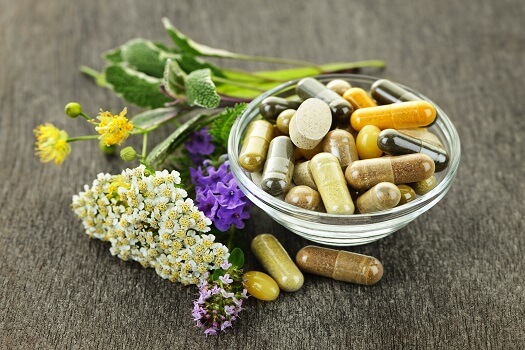
1. Vitamin D: The “Sunshine Vitamin” for Bones & Immunity
Vitamin D is called the “sunshine vitamin” because skin synthesizes it from sunlight—but aging slows this process significantly. Seniors also tend to spend less time outdoors, and factors like sunscreen or cloudy weather further reduce production. This nutrient is non-negotiable: it helps the body absorb calcium, strengthening bones to fight osteoporosis (affecting 1 in 4 women and 1 in 8 men over 65, per the National Osteoporosis Foundation). It also boosts immunity (key for fending off flu or infections) and improves muscle strength, cutting fall risk—a top injury cause for seniors.
Food sources are limited: fatty fish (salmon, mackerel), fortified dairy, fortified cereals, and egg yolks. For many seniors, even with diet adjustments, premium vitamin D supplements for over 60s may be needed. When choosing:
- Opt for vitamin D3 (cholecalciferol) over D2 (ergocalciferol)—D3 is more easily absorbed by older bodies.
- Match dosage to blood test results (doctors typically recommend 800–2000 IU/day for seniors, but levels vary).
- Avoid supplements with unnecessary additives (e.g., artificial colors) that may irritate sensitive digestive systems.
Crucially, always test blood levels first with a doctor—too much vitamin D can cause hypercalcemia (high calcium) with symptoms like nausea or kidney issues.
2. Vitamin B12: Protects Nerves & Cognitive Function
Vitamin B12 is essential for nerve health, red blood cell production, and clear thinking—but absorption declines sharply with age. Why? Older adults often have lower stomach acid levels, which are needed to break down B12 from food. Conditions like gastritis or medications (e.g., proton pump inhibitors for heartburn) worsen this issue.
A B12 deficiency can lead to fatigue, numbness in hands/feet, memory lapses, and even irreversible nerve damage over time. Unlike other vitamins, B12 only comes from animal products: meat, fish (tuna, clams), eggs, and dairy. Vegans/vegetarians over 60 are at even higher risk, making high-quality vitamin B12 for elderly individuals a must.
When selecting B12 supplements:
- Choose sublingual (under-the-tongue) tablets if stomach acid is low—they bypass digestive absorption barriers.
- For severe deficiencies, ask about injectable B12 (prescribed by doctors for faster absorption).
- Look for “methylcobalamin” (active form) over “cyanocobalamin”—it’s easier for seniors to use without conversion.
Supplements may be necessary, but a doctor should always check B12 levels via a blood test first. Never self-dose—low B12 shares symptoms with other health issues (like thyroid problems), so accurate testing ensures you’re addressing the right concern.
3. Vitamin K2: Guides Calcium to Where It’s Needed
Vitamin K2 is less mainstream than D or B12, but it’s a critical component of doctor-recommended vitamins for seniors over 60. Its unique role? Directing calcium from the blood to bones and teeth—instead of letting it build up in arteries, which raises heart disease risk. This works in perfect synergy with vitamin D: D helps absorb calcium, while K2 ensures it reaches the right tissues.
Seniors often lack K2 because it’s not abundant in most standard diets. Top food sources include natto (fermented soy), aged cheeses (Gouda, brie), liver, and fermented vegetables (sauerkraut). Gut health also plays a role—older adults with imbalanced gut bacteria may produce less K2 naturally, increasing the need for targeted supplements.
When picking K2 supplements:
- Prioritize MK-7 (menaquinone-7) over MK-4—MK-7 has a longer half-life, so it works for 24+ hours (ideal for seniors who may forget daily doses).
- Choose third-party certified supplements (e.g., USP, NSF) to ensure purity—avoid low-quality brands with untested ingredients.
- Pair with vitamin D if possible (many premium blends include both, simplifying daily intake).
While K2 is safe for most seniors, those on blood thinners (like warfarin) should consult a doctor before using high-quality vitamin K2 supplements. K2 can interact with these medications, so dosage adjustments may be required to maintain safety.
Keywords: MK-7 vitamin K2 for seniors, third-party certified vitamin K2 supplements, K2 + D3 blends for elderly
How to Choose the Right Vitamin Supplements for Seniors
Selecting supplements isn’t one-size-fits-all—here’s a step-by-step guide to find the best fit:
- Start with a doctor’s assessment: Share medical history (e.g., diabetes, kidney disease) and medications—this avoids dangerous interactions (e.g., K2 and blood thinners).
- Prioritize individual needs: If a blood test shows low D but normal B12, focus on D supplements instead of multi-vitamins (which may have unnecessary doses).
- Check for senior-friendly features: Look for small tablets/capsules (easier to swallow), liquid forms (for those with dental issues), or timed-release formulas (for steady absorption).
- Avoid “all-in-one” traps: Many multi-vitamins skimp on high-priority nutrients (like K2) to include others—opt for targeted supplements for D, B12, and K2 instead.
- Verify quality: Choose brands with third-party testing (USP, ConsumerLab) to ensure no contaminants and accurate nutrient levels—this is critical for senior health.
Critical Safety Notes for Senior Supplement Use
- Never replace food with supplements: Even the best supplements can’t match the fiber, protein, and other nutrients in whole foods (e.g., salmon, eggs).
- Stick to recommended doses: “Mega-doses” can cause kidney damage or nerve issues—follow your doctor’s guidance.
- Track all supplements: Keep a list (and share it with doctors/pharmacists) to avoid overlaps (e.g., taking a D supplement plus a multi-vitamin with D).
- Watch for side effects: Report nausea, diarrhea, or fatigue to your doctor—these may signal a bad supplement fit or excess dosage.
- Store safely: Keep supplements out of reach of grandchildren and away from heat/moisture (e.g., not in the bathroom) to preserve potency.
Final Thoughts
For seniors over 60, choosing the right vitamin supplements—targeted to D, B12, and K2—can make a huge difference in bone health, cognition, and overall vitality. By focusing on absorbable forms (D3, methylcobalamin, MK-7), verifying quality, and working with a doctor, you can avoid guesswork and ensure supplements support, not harm, health.
Save this guide to share with family, reference when shopping for supplements, or bring to your next doctor’s appointment. Investing in the right supplements today can help you stay active, independent, and healthy for years to come.