
Could Your Spare Change Be a Numismatic Treasure? The Truth About Valuable Coins
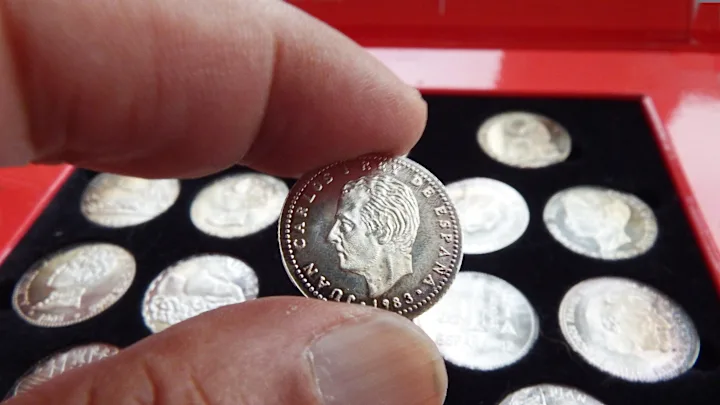
Have you ever glanced at a coin in your pocket and wondered if it’s more than just spare change? Valuable coins, often hidden in plain sight, derive their worth from specific, verifiable traits—far beyond their face value. From historical context to minting anomalies, understanding what defines these collectible pieces, famous examples of rare specimens, and common missteps in collecting makes the hobby both fascinating and grounded. This guide unpacks the science of valuable coins without hype, offering insights for curious beginners and seasoned enthusiasts alike.
Key Factors That Define Valuable Coins
Valuable coins aren’t determined by guesswork—their worth stems from objective, well-documented attributes recognized by the numismatic community. These factors work together to distinguish ordinary currency from collectible treasures.
1. Rarity and Scarcity
Scarcity is the foundation of a coin’s value. Coins become rare for multiple reasons: limited mintage (few pieces produced initially), high loss rates (due to melting, damage, or disappearance over time), or discontinuation of a design before wide distribution. For example, coins minted during short-lived historical periods or by regional mints with small production capacities often fall into this category. Rarity is not just about low numbers—it’s about how many specimens remain in collectible condition today.
2. Condition and Preservation
A coin’s state of preservation directly impacts its status as a valuable piece. Collectors use standardized grading systems to assess wear, surface quality, and detail retention. Coins that retain their original luster, show minimal friction on high points, and lack scratches, dents, or discoloration are far more sought-after. Even inherently rare coins lose significant appeal if poorly preserved, as damage erodes both aesthetic and historical integrity.
3. Historical and Cultural Significance
Coins that mark pivotal moments in history or reflect unique cultural heritage often gain value as numismatic artifacts. This includes pieces minted to commemorate historical events, coins from defunct nations or empires, or those featuring designs that capture a specific era’s artistry or values. Such coins act as tangible links to the past, appealing to collectors who value preservation of history alongside rarity.
4. Minting Errors and Anomalies
Unintentional mistakes during the minting process can turn ordinary coins into valuable specimens. These errors—such as misaligned dies, double strikes, missing inscriptions, or off-center impressions are rare because mints employ strict quality control. Collectors specializing in error coins prize these anomalies for their uniqueness, as each mistake represents a one-of-a-kind quirk in production.
Famous Examples of Valuable Coins
Across history, certain coins have gained widespread recognition as valuable due to their rarity, historical context, or unique attributes. These examples are well-documented in numismatic records and serve as benchmarks for collectible status.
1. 1909-S VDB Lincoln Cent
One of the most iconic American valuable coins, the 1909-S VDB Lincoln Cent owes its status to a combination of low mintage and historical context. It was the first year the Lincoln cent was minted, honoring the former president, and features the initials “VDB” (for designer Victor David Brenner) on the reverse. The San Francisco Mint (marked by the “S” mint mark) produced far fewer specimens than other mints that year, and the initials were later removed due to public criticism, further enhancing its scarcity.
2. 1804 Draped Bust Dollar
Known as the “King of American Coins,” the 1804 Draped Bust Dollar is famous for its limited production and historical significance. Contrary to its date, most examples were minted in the 1830s as diplomatic gifts for foreign rulers, with only a small number crafted. The coin’s elegant design, featuring Lady Liberty in a draped bust, and its association with early American diplomacy make it a cornerstone of valuable coin collections worldwide.
3. 1933 British Gold Sovereign
The 1933 Gold Sovereign is a rare example of a coin pulled from circulation before public release. Minted during a period of economic upheaval, most specimens were melted down due to changes in gold standards, leaving only a handful in existence. Its connection to British monetary history and extreme scarcity have solidified its reputation as one of the world’s most sought-after valuable coins.
4. 1913 Liberty Head Nickel
Another American numismatic treasure, the 1913 Liberty Head Nickel was minted outside official production plans. Only five known specimens exist, believed to have been struck by a mint employee after the design was replaced by the Buffalo nickel. Its mysterious origins and extreme rarity have made it a legendary piece among valuable coin collectors, with each example carefully documented in numismatic records.
Essential Information About Notable Valuable Coins
Beyond their fame, valuable coins have distinct characteristics that help collectors identify and appreciate them. These details are based on public numismatic research and historical records.
1. Design and Mint Mark Identification
Each valuable coin features unique design elements that reflect its era. For example, the 1909-S VDB Lincoln Cent has a wheat stalk reverse (earning it the nickname “Wheat Penny”), while the 1804 Draped Bust Dollar includes intricate lettering and a bald eagle motif. Mint marks—small symbols indicating where a coin was produced—are critical for identifying rare variants, as certain mints produced far fewer specimens than others.
2. Historical Context of Production
Understanding why a coin was minted (or not minted widely) adds depth to its value. The 1933 Gold Sovereign’s scarcity stems from global economic policies, while the 1913 Liberty Head Nickel’s existence is tied to minting irregularities. Researching a coin’s production history—including mintage records, historical events, and design changes—helps collectors verify authenticity and appreciate its significance.
3. Authentication Markers
Genuine valuable coins have specific markers that distinguish them from counterfeits. These include precise weight and metal composition (many historical coins use standard gold or silver content), detailed engravings, and consistent mint marks. For example, the 1804 Draped Bust Dollar has unique edge lettering and precise diameter measurements that counterfeiters often fail to replicate. Numismatic experts use these markers to authenticate rare specimens.
Common Misconceptions in Valuable Coin Collecting
New collectors often fall prey to myths that can hinder their experience or lead to disappointment. These misconceptions, rooted in misinformation, overlook the objective factors that define valuable coins.
1. Misconception: Age Equals Value
Many assume older coins are inherently valuable, but this is not the case. A common 19th-century coin in poor condition may be worth far less than a modern coin with a rare minting error. Age only contributes to value when paired with rarity, preservation, or historical significance—alone, it does not guarantee collectibility.
2. Misconception: All Error Coins Are Valuable
While some minting errors make coins valuable, not all anomalies qualify. Minor flaws like small scratches or faint misalignments are common and do not increase a coin’s worth. Only significant, rare errors—such as double strikes that create distinct, visible overlaps or missing design elements—attract collector interest.
3. Misconception: Cleaning Improves a Coin’s Value
One of the most harmful myths is that cleaning a coin (polishing, scrubbing, or using chemicals) will make it more valuable. In reality, cleaning removes the coin’s natural patina—a thin layer that forms over time and is highly prized by collectors. It can also scratch delicate surfaces or erase fine details, permanently reducing the coin’s worth. Valuable coins are best left in their natural, uncleaned state.
4. Misconception: Verbal Claims of Rarity Are Reliable
Collectors should never trust unsubstantiated claims that a coin is “rare” or “valuable” without evidence. Authentic valuable coins have documented mintage records, grading certificates from reputable numismatic organizations, or provenance (history of ownership) that verifies their status. Relying on verbal assertions, especially from non-experts, often leads to misplaced enthusiasm for common coins.
5. Misconception: All Commemorative Coins Are Valuable
Mints worldwide produce commemorative coins to honor events or figures, but most are mass-produced and widely available. Only commemorative coins with limited mintage, unique designs, or historical significance become valuable. Many modern commemoratives are intended for general circulation or casual collecting, not as numismatic treasures.
Final Thoughts: Navigating the World of Valuable Coins
Valuable coins offer a window into history, craftsmanship, and numismatic culture—appealing to collectors for both their tangible attributes and the stories they tell. By focusing on objective factors like rarity, preservation, and historical context, collectors can approach the hobby with clarity, avoiding myths and misinformation.
Whether you’re sorting through spare change, inheriting a family collection, or simply curious about rare coins, the key is to prioritize learning. Reputable numismatic guides, online databases, and expert communities can provide reliable information about valuable coins, helping you identify specimens and understand their significance. Remember, the most rewarding aspect of collecting valuable coins lies in the journey of discovery—uncovering the history behind each piece and appreciating the care that goes into preserving these numismatic treasures.
As you explore the world of valuable coins, keep an eye out for the subtle details that set rare specimens apart. From mint marks to preservation quality, these traits hold the key to identifying potential treasures. And for those looking to deepen their knowledge or protect their collection, trusted resources and tools can enhance the experience—making coin collecting a timeless and fulfilling pursuit.
Could your next discovery be a valuable coin hiding in plain sight? The answer lies in curiosity, research, and a willingness to learn about the fascinating world of numismatics.