
Looking for Fast Relief for Dry Eyes? How Do Natural Eye Drops for Dry Eye Relief Compare?
Dry eyes can cause discomfort, irritation, and blurry vision, affecting daily life. If you're searching for Fast Relief for Dry Eyes Drops or Natural Eye Drops for Dry Eye Relief, this guide will help you understand how these options work, what their benefits are, and how to choose the right solution for your symptoms. Learn about different types of drops, the science behind them, and how to make informed choices based on your eye care needs.
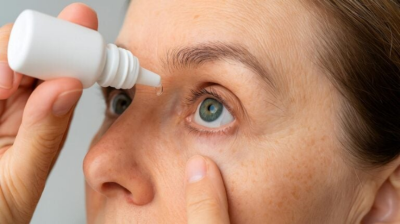
What Causes Dry Eyes?
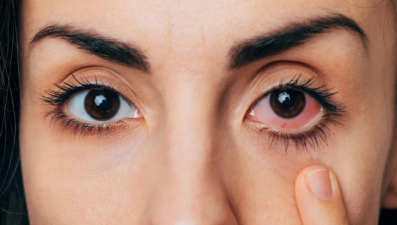
Dry eyes occur when the eyes don't produce enough tears or the tears evaporate too quickly. This can result from aging, environmental factors, prolonged screen use, certain medications, or underlying health conditions. Common symptoms include burning, itching, redness, and blurred vision. Understanding the cause of your dry eyes is crucial to selecting the right treatment.
Types of Eye Drops for Dry Eye Relief
There are two main categories of eye drops for dry eyes: lubricating drops and anti-inflammatory drops.
• Lubricating Drops: These are the most common type and help to moisten the eyes, alleviating dryness. They mimic the natural tears in the eyes, providing temporary relief.
• Anti-inflammatory Drops: These are often prescribed by doctors for patients with more severe dry eye disease or when inflammation is a major contributor to symptoms. They help to reduce swelling and irritation in the eyes.
Fast Relief for Dry Eyes: What to Look For
When you need quick relief, look for lubricating eye drops that provide immediate hydration. These products often contain ingredients like sodium hyaluronate, glycerin, or carboxymethylcellulose. If you're experiencing discomfort due to screen time or allergies, fast-acting drops can soothe your eyes, offering temporary relief in minutes. Ensure the drops are preservative-free if you need to use them frequently.
Natural Eye Drops for Dry Eye Relief: A Gentle Alternative
Natural eye drops are designed to soothe dry eyes with ingredients that closely resemble the composition of natural tears. These products often include natural oils, herbal extracts, or plant-based ingredients like aloe vera and chamomile. Natural eye drops can be a good option if you’re looking for a gentler solution that doesn’t contain synthetic preservatives. However, be aware that not all natural drops are created equal, and their effectiveness can vary depending on your specific symptoms.
Choosing the Right Drops for Your Dry Eyes
· Determine the underlying cause of your dry eyes: is it due to environmental factors, aging, or a medical condition?
· Choose lubricating drops for temporary relief, especially if you need quick hydration.
· Consider preservative-free eye drops for frequent use to avoid irritation from long-term preservatives.
· Opt for natural drops if you're sensitive to synthetic ingredients or prefer a more holistic solution.
· Consult your eye care professional if symptoms persist or worsen despite using over-the-counter eye drops.
How to Use Eye Drops for Dry Eye Relief Effectively
To get the most out of your eye drops, follow these tips:
• Apply 1 to 2 drops in each eye as directed. Avoid touching the tip of the dropper to your eye to maintain hygiene.
• Use drops regularly throughout the day, especially if you are exposed to dry air or prolonged screen time.
• Consider using drops before bed if you experience discomfort at night.
• If you wear contact lenses, ensure the eye drops are compatible with your lenses. Some drops are specifically designed for lens wearers.
When to Seek Professional Help
If your dry eyes persist despite using over-the-counter drops or if you experience severe symptoms like pain, blurred vision, or light sensitivity, it’s important to consult an eye care professional. A doctor may recommend prescription treatments, lifestyle adjustments, or specific therapies to manage your condition.

Takeaway
Finding relief from dry eyes doesn’t have to be complicated. Whether you opt for fast-acting lubricating drops or a more natural alternative, it’s crucial to select eye drops that suit your needs and address the underlying cause of your symptoms. If over-the-counter options aren’t enough, consult an eye care specialist for personalized treatme